

Explore Our Services
Explore our range of services designed to help you move forward with confidence, wherever you're headed next.
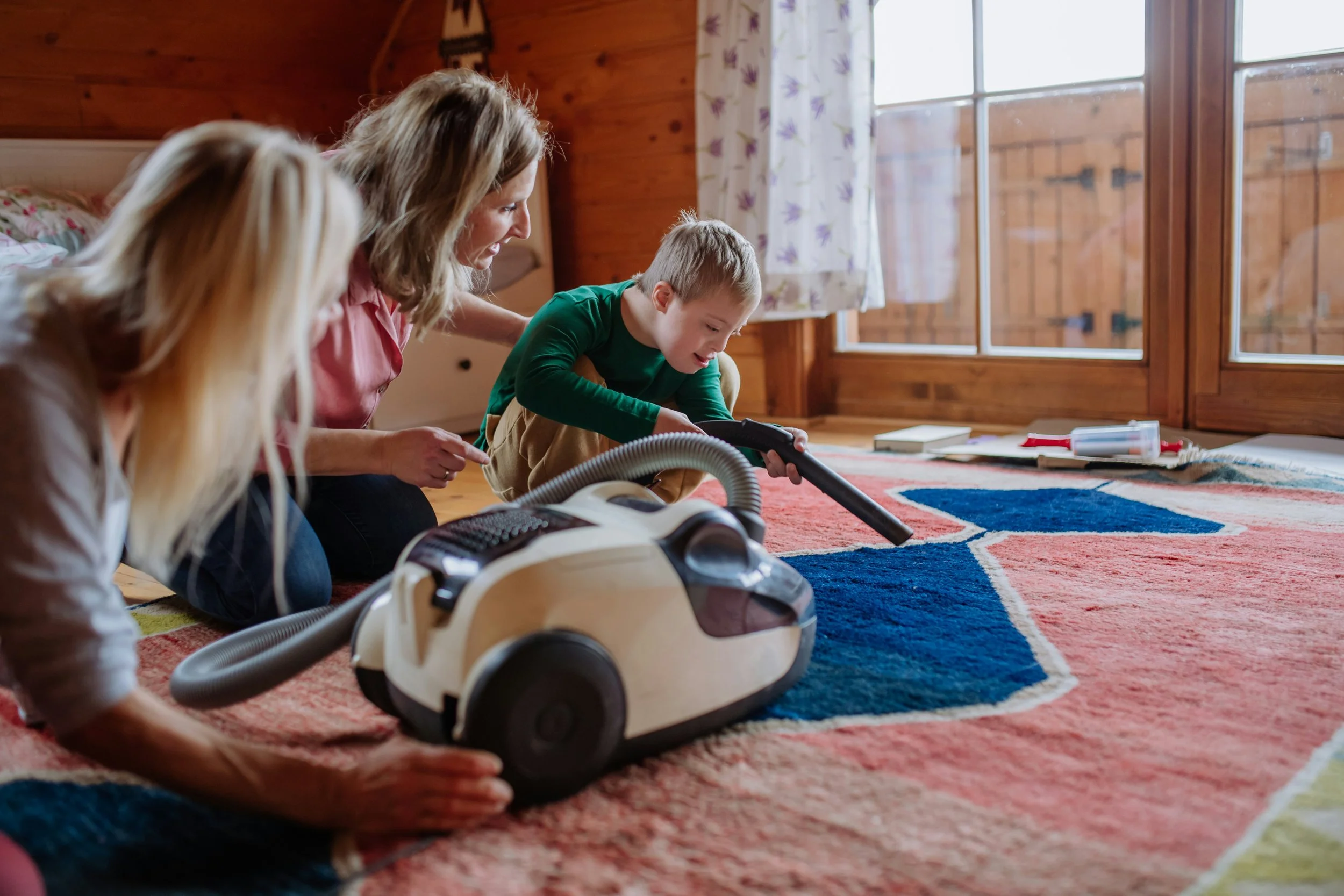
In-Home ABA Therapy
What is it
Personalized ABA therapy delivered in your home, where your child feels most comfortable and daily routines naturally occur.
Who it’s for
Children who benefit from learning skills in their natural environment and families who want support embedded into everyday life.
What support may look like
A behavior technician works 1:1 with your child on communication, behavior, and daily living skills while coaching caregivers on how to support progress during routines like meals, playtime, and transitions.
Clinic-Based ABA Therapy

What is it
Structured, center-based ABA therapy provided in a supportive clinic environment designed to promote learning, social interaction, and skill development.
Who it’s for
Children who benefit from a more structured setting, increased opportunities for peer interaction, or access to specialized materials and supports.
What support may look like
Your child works 1:1 with a behavior technician while also having opportunities to engage with peers through guided social activities, group learning, and play. Sessions may focus on communication, social skills, independence, and behavior in a setting designed to prepare for school and community success.
Community-Based ABA
What is it
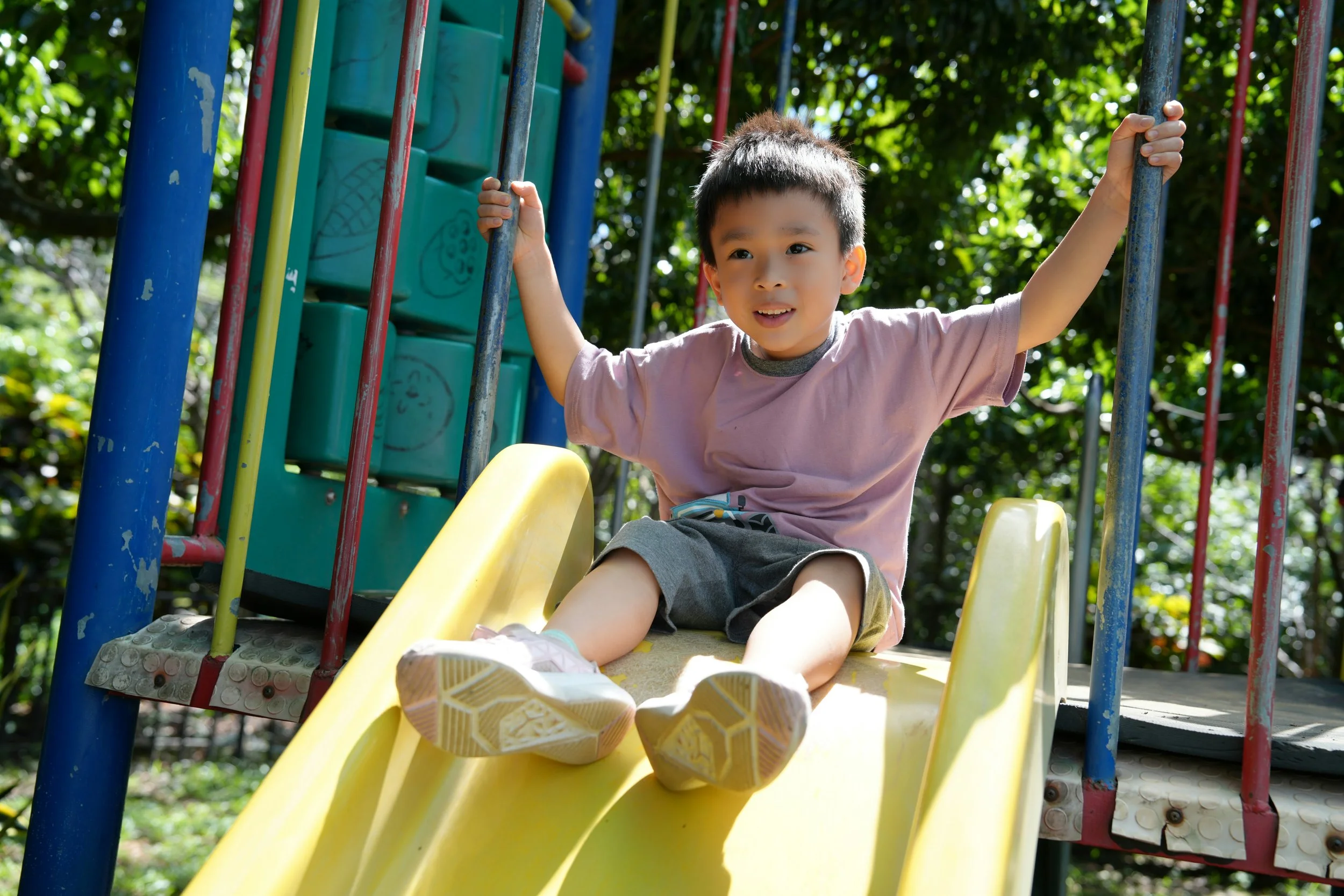
Therapy that takes place out in the community to help children practice real-world skills in natural settings.
Who it’s for
Children who are ready to generalize skills beyond the home and build independence in everyday environments.
What support may look like
Sessions may occur at parks, stores, or community spaces where your child can practice social interactions, following directions, waiting, and navigating real-life situations with guided support.
Parent/Caregiver Collaboration
What is it
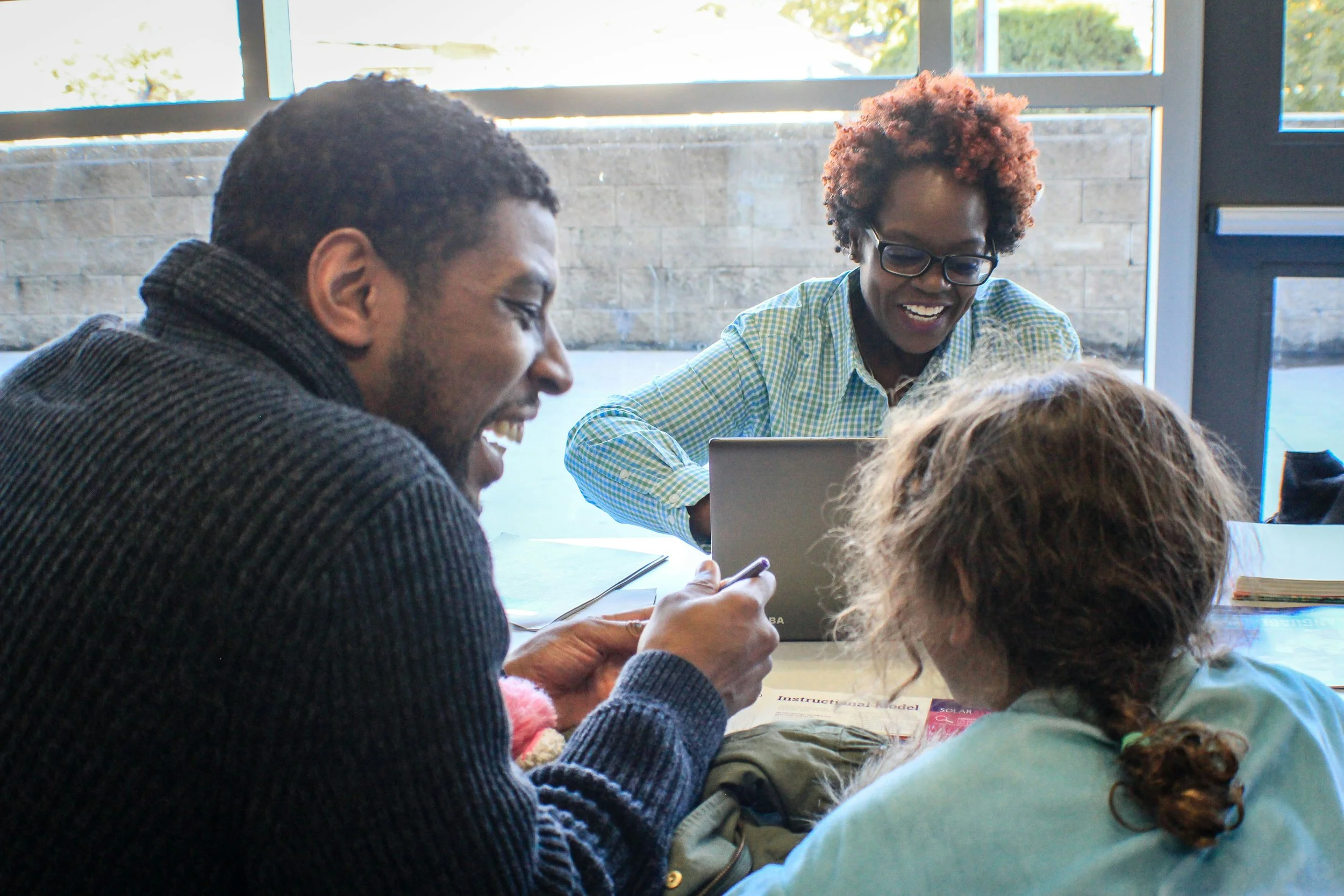
Ongoing partnership and training to empower caregivers with the tools and confidence to support their child’s growth.
Who it’s for
Parents and caregivers who want to be actively involved and supported in implementing strategies at home.
What support may look like
Regular meetings with your BCBA to review progress, model strategies, problem-solve challenges, and create consistent approaches that work for your family’s unique needs.
Assessments and Treatment Planning
What is it
Comprehensive evaluations used to understand your child’s strengths, needs, and goals, guiding an individualized treatment plan.
Who it’s for
Families beginning services or those seeking a deeper understanding of their child’s development and support needs.
What support may look like
A BCBA conducts assessments, gathers caregiver input, and develops a customized plan with meaningful goals focused on communication, independence, behavior, and social development.
School or Consultation Support

What is it
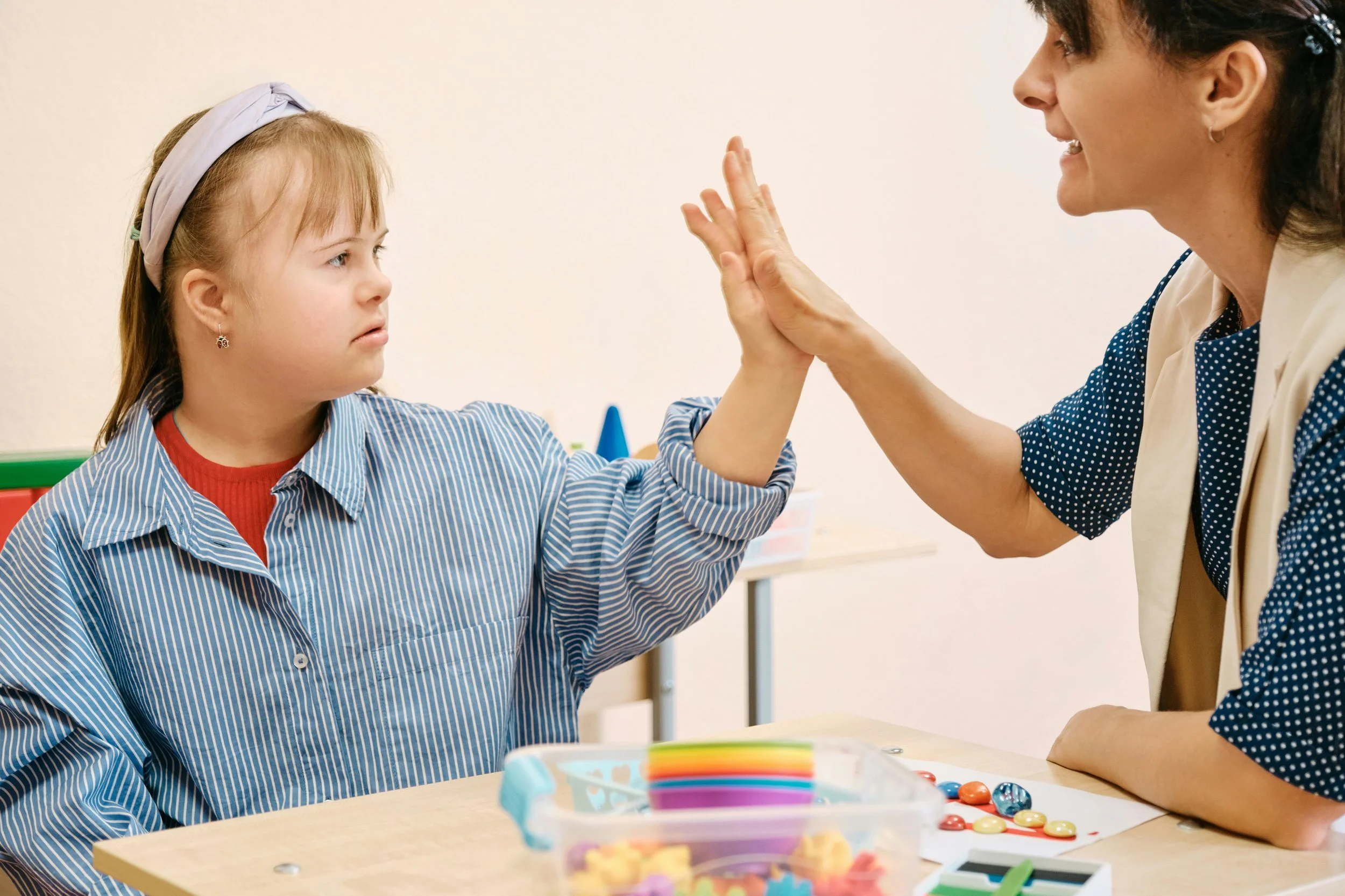
Collaboration with schools and educational teams to support consistency and success across environments.
Who it’s for
Students who benefit from aligned strategies between home, therapy, and school settings.
What support may look like
Consultation with teachers and staff, participation in meetings (such as IEPs), and providing recommendations or strategies to support behavior, learning, and inclusion in the classroom.